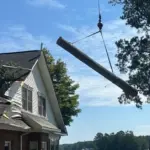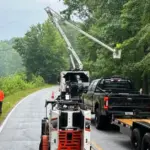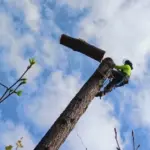
Pine trees add beauty and shade to many landscapes, but there are times when removing one becomes necessary. Whether a pine tree is dead, diseased, or posing a safety risk, knowing when and how to remove it is crucial. This guide covers everything you need to understand about pine tree removal, from spotting the signs to safely taking down the tree.
Why Remove a Pine Tree?
Pine trees can live for decades, but they don’t last forever. Removing a pine tree might be necessary for several reasons:
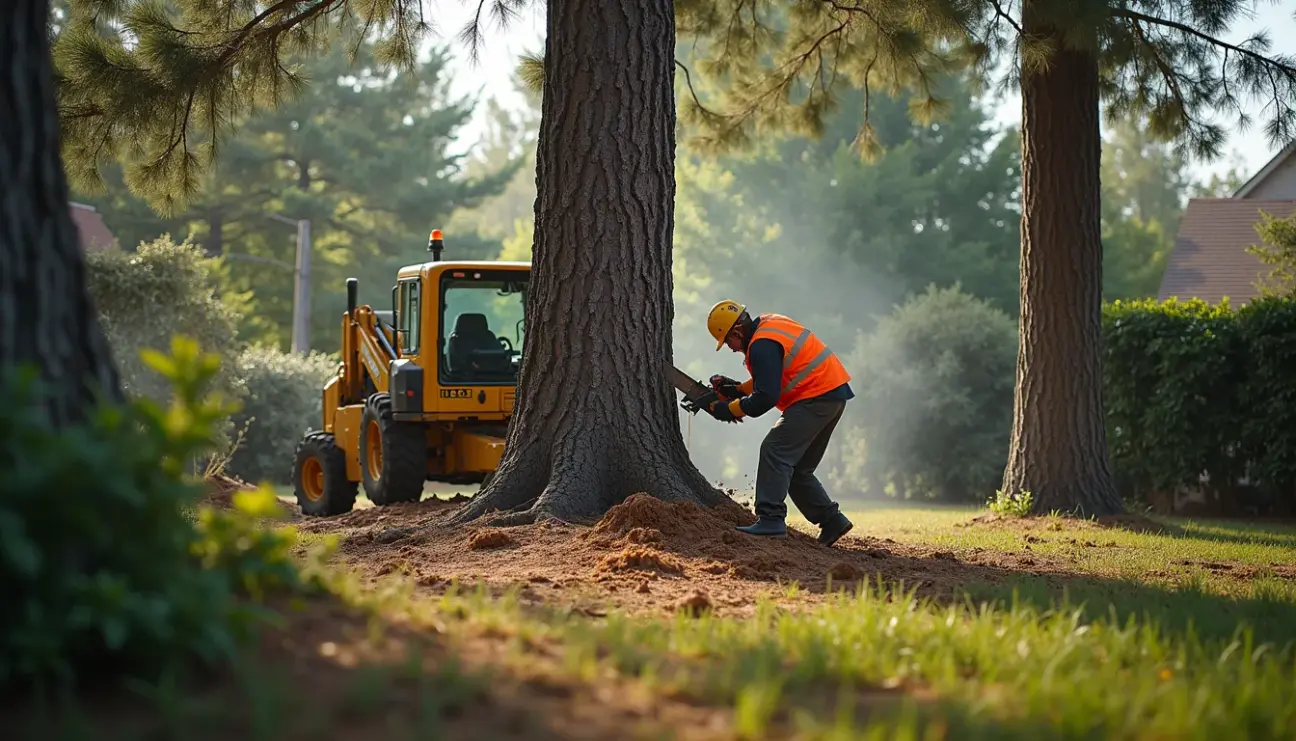
- Safety hazards: Dead or dying pine trees can fall unexpectedly, damaging property or injuring people.
- Disease and pests: Infestations like pine beetles or fungal infections can weaken trees and spread to others.
- Property damage: Roots can interfere with foundations, sidewalks, or underground utilities.
- Landscaping changes: Sometimes trees block sunlight, views, or planned construction.
- Storm damage: Broken branches or leaning trunks after storms can make trees unstable.
Understanding why you need to remove a pine tree helps you decide the urgency and method of removal.
Signs You Should Remove a Pine Tree
Knowing when to remove a pine tree is key to preventing accidents or costly damage. Watch for these signs:
- Dead branches or needles: Large sections of dead needles or branches indicate poor health.
- Leaning trunk: A tree leaning significantly may have root damage or instability.
- Cracks or splits: Deep cracks in the trunk or major limbs can lead to breakage.
- Fungal growth: Mushrooms or fungal conks on the trunk or roots suggest decay.
- Pine beetle infestation: Small holes in bark and sawdust-like material are signs of beetle damage.
- Root damage: Uplifted soil or exposed roots can weaken the tree’s hold.
If you notice these symptoms, consult an arborist to assess the tree’s condition.
How to Prepare for Pine Tree Removal
Removing a pine tree requires planning to ensure safety and efficiency. Follow these steps before starting:
- Check local regulations
Some areas require permits for tree removal, especially for large or protected species. Contact your local government or forestry department.
- Assess the tree’s location
Look for nearby power lines, buildings, fences, or other obstacles. These affect how the tree can be safely removed.
- Gather equipment
Essential tools include a chainsaw, safety gear (helmet, gloves, eye protection), ropes, and wedges. For large trees, professional equipment may be needed.
- Plan the fall direction
Decide which way the tree should fall to avoid damage. Clear the area and create an escape route.
- Consider hiring professionals
If the tree is large, near structures, or in a tricky location, a certified tree removal service is the safest option.
Step-by-Step Pine Tree Removal Process
If you decide to remove a pine tree yourself, follow this general process carefully:
1. Clear the area
Remove debris, vehicles, and people from the fall zone. Make sure pets and children are indoors.
2. Put on safety gear
Wear a hard hat, safety glasses, ear protection, gloves, and sturdy boots.
3. Make the notch cut
On the side facing the fall direction, cut a notch about one-third into the trunk. This guides the tree’s fall.
4. Make the felling cut
On the opposite side, slightly above the bottom of the notch, cut horizontally until the tree begins to lean and fall.
5. Move to safety
As the tree starts to fall, move quickly along your planned escape route.
6. Limb the tree
Once down, remove branches starting from the base moving upward.
7. Cut the trunk into sections
Cut the trunk into manageable pieces for removal or disposal.
Disposal and Cleanup
After removal, you need to decide what to do with the wood and debris:
- Firewood: Pine wood burns quickly and can be used for firewood if properly dried.
- Mulch: Branches and smaller limbs can be chipped into mulch for landscaping.
- Green waste pickup: Many municipalities offer yard waste collection.
- Professional hauling: Tree services often provide removal and hauling for a fee.
Clean up the stump area to prevent tripping hazards or regrowth.
When to Hire a Professional
Removing pine trees can be dangerous, especially if the tree is large or near structures. Consider hiring a professional if:
- The tree is over 30 feet tall.
- It leans toward buildings or power lines.
- You lack proper tools or experience.
- The tree shows signs of severe disease or decay.
- Local laws require certified arborists for removal.
Professionals have the training and equipment to remove trees safely and efficiently.
Preventing Future Pine Tree Problems
After removal, you might want to plant new trees or care for existing ones. Here are tips to keep pine trees healthy:
- Choose the right species for your climate and soil.
- Water young trees regularly during dry periods.
- Mulch around the base to retain moisture and reduce weeds.
- Inspect trees annually for pests and disease.
- Prune dead or weak branches to improve structure.
Healthy trees reduce the need for removal and add value to your property.