Get Your Yard Back From Overgrown Shrubs
Overgrown shrubs can block windows, crowd walkways, and take up space you could be using. Fortson Tree Company provides shrub removal and trimming in Columbus and Harris County, GA, to clear unwanted growth and give your property a cleaner, more manageable appearance. We offer free estimates, competitive pricing, and straightforward service.
Shrub Trimming That Opens Up Your Outdoor Space
Shrub trimming keeps landscape growth from spreading into areas where it becomes difficult to manage. We cut back unwanted growth to improve clearance around windows, walkways, driveways, fences, and other parts of your property. The goal is to make your outdoor space easier to access and maintain without removing plants you want to keep.
Shrubs can gradually grow beyond their original space. Branches may cover windows, extend across sidewalks, narrow pathways, or make entrances look crowded. We can address these areas with selective trimming based on the size, shape, and condition of each shrub.
Our shrub trimming work can address:
- Overgrown Growth: Cut back shrubs that have spread beyond their intended area.
- Walkway Clearance: Open paths and entrances where branches interfere with foot traffic.
- Window and Building Clearance: Reduce growth that covers windows or crowds exterior walls.
- Fence-Line Trimming: Manage shrubs growing into fences or neighboring spaces.
- Landscape Shaping: Improve the overall appearance of shrubs that have become uneven or unruly.
- General Yard Maintenance: Reduce excessive growth that makes outdoor areas harder to maintain.
We look at the plant and the space around it before deciding how much to cut. If a shrub is no longer suitable for its location, removal may be a better option than repeated trimming.
For larger projects involving trees and other vegetation, explore our complete range of tree services.
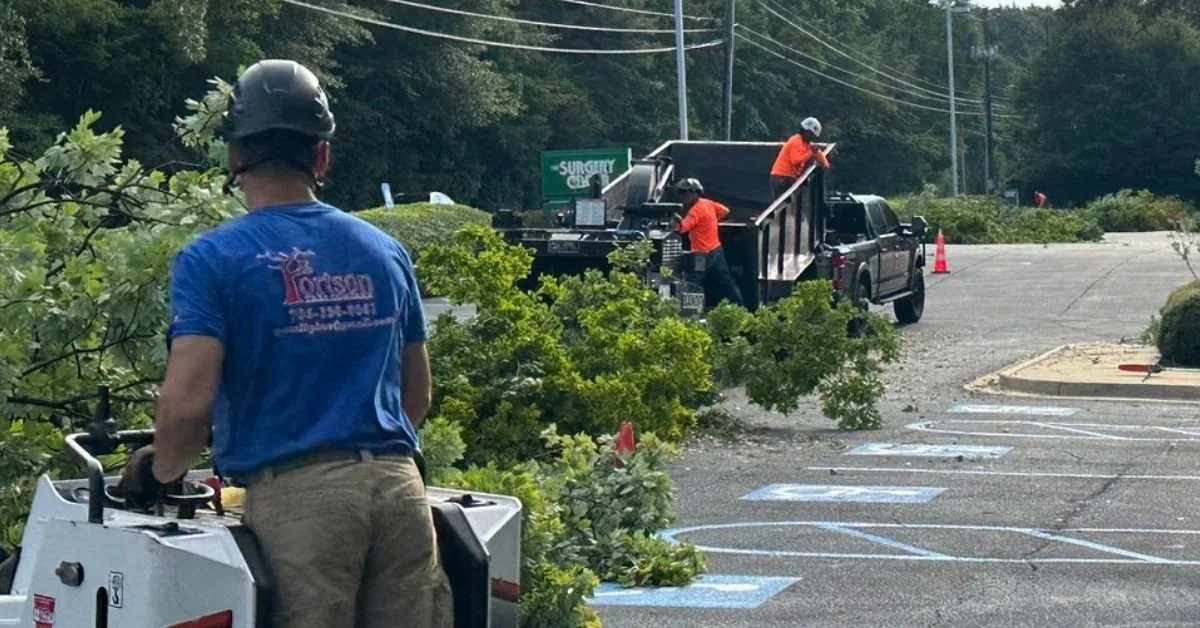
When Is It Better to Remove a Shrub Instead of Trimming It?
Shrub removal makes sense when a plant has outgrown its space, is no longer wanted, or continues to interfere with how you use your property. Trimming can control growth, but it may not solve the problem when a shrub is poorly positioned or has become too large for the area.
You may want to consider removal when:
- A shrub has grown across a walkway or entrance and keeps restricting access.
- Dense growth covers windows or blocks visibility from the house.
- A plant is crowding nearby shrubs or taking over a garden bed.
- Repeated trimming has not kept the shrub within its available space.
- You want to change the layout of your landscape.
- An old or declining shrub no longer fits the appearance you want for your property.
- You need to open an area for a future landscaping or property improvement project.
Removing an unwanted shrub can give you more flexibility when planning the space. It can also reduce the need to keep cutting back the same plant year after year.
We’ll look at the shrub’s size, location, and surrounding features before preparing an estimate. If the project also involves unwanted trees, our tree removal service can address those separately.
Clear Shrubs Around Foundations, Fences, and Driveways
Shrubs planted near structures can become difficult to manage as they grow. Branches may crowd exterior walls, cover windows, narrow access areas, or spread along fences and driveways. We provide trimming and removal to help restore clearance in these parts of your property.
Common areas where customers request shrub work include:
Along the House: We trim or remove unwanted growth that crowds windows, entryways, and exterior walls.
Around Driveways and Walkways: We address shrubs that extend into paths, reduce clearance, or make it harder to move through the property.
Beside Fences: We manage growth that spreads through or beyond fence lines and takes up unwanted space.
Near Outdoor Living Areas: We clear excessive shrub growth around patios, seating areas, and other spaces you want to keep accessible.
Along Property Boundaries: We help manage shrubs that have spread beyond their intended planting areas.
Every property has different access and layout considerations. We’ll review the work area and explain the scope of trimming or removal before providing your estimate.
How Do We Approach Shrub Trimming and Removal?
We begin by looking at the shrubs you want trimmed or removed, the condition of the plants, and what you want to accomplish with the space. This helps us determine the appropriate work instead of treating every shrub the same way.
Our process generally includes:
- Reviewing the Work Area: We identify which shrubs need trimming, which should be removed, and what nearby features need consideration.
- Confirming the Scope: We discuss the requested work, including the number of shrubs and the areas that need attention.
- Preparing Your Estimate: We explain the expected work and pricing before scheduling the project.
- Completing the Service: We carry out the agreed trimming or removal using equipment suited to the job.
- Reviewing Cleanup Details: We clarify how cut branches and other debris will be handled as part of the quoted work.
If you have several shrubs in different parts of your property, we can review them together. That gives you a clearer picture of the work involved and helps you plan the project in one visit.
Does the Type of Shrub Affect the Trimming Schedule?
Yes. The best time to trim a shrub depends on its species, flowering cycle, growth pattern, and the amount of cutting required. Some flowering shrubs should be pruned after blooming, while other plants have different seasonal requirements. We consider the plant before recommending when to schedule routine trimming.
For example, some spring-flowering shrubs develop next season’s flower buds before the following spring. Cutting them at the wrong time can reduce the next flowering display. The University of Georgia Cooperative Extension explains these differences in its guide to pruning ornamental plants.
A few considerations include:
- Flowering Shrubs: Timing can affect the next season’s blooms.
- Fast-Growing Shrubs: These may need more frequent attention to stay within their intended space.
- Evergreen Shrubs: Their growth habits and pruning needs vary by species.
- Overgrown Plants: Heavy cutting may not be suitable for every shrub.
- Damaged Growth: Dead or damaged portions may need attention outside a routine maintenance schedule.
The University of Georgia also provides guidance on pruning spring-blooming shrubs. We can discuss your trimming needs and help determine the appropriate scope of work for the plants on your property.